
 فارسی
فارسی
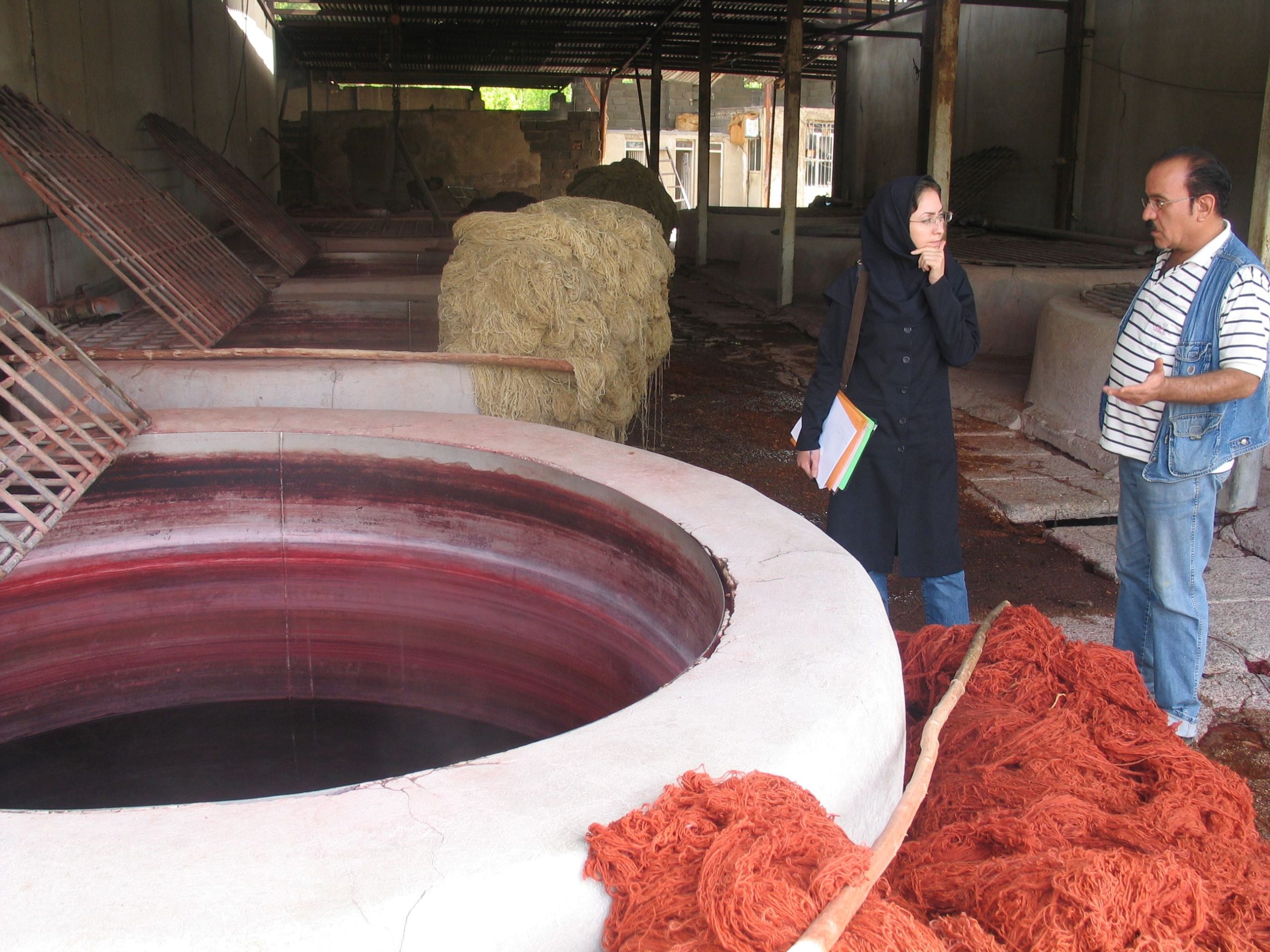
Environmental and Quality Assessment projects are considered essential and preventive tools in sustainable management and development. Their primary objective is the scientific examination and prediction of the potential impacts of civil, industrial, and developmental projects on various components of the environment (including water, air, soil, noise, biodiversity, and public health). In these projects, through the use of standard sampling methods, continuous monitoring, and laboratory analyses, various quality indicators are measured. The resulting data is then compared against national and international standards. The output of these studies, prepared in the form of comprehensive reports, not only serves to identify and mitigate potential environmental risks but also strives to achieve a balance between development goals and environmental protection by proposing appropriate managerial and engineering solutions. These reports provide significant assistance to decision-makers and regulatory bodies for issuing permits or setting operational conditions.
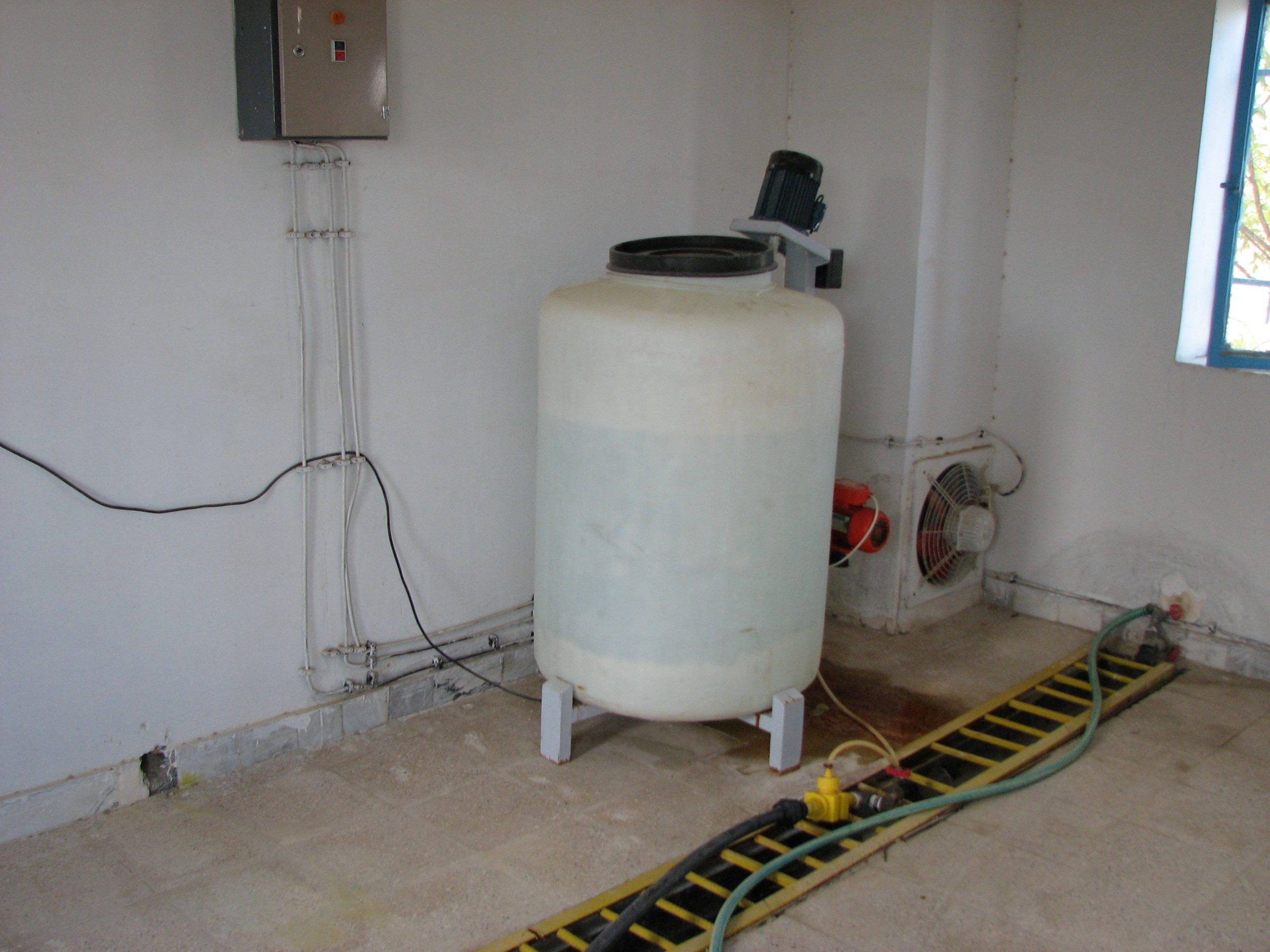
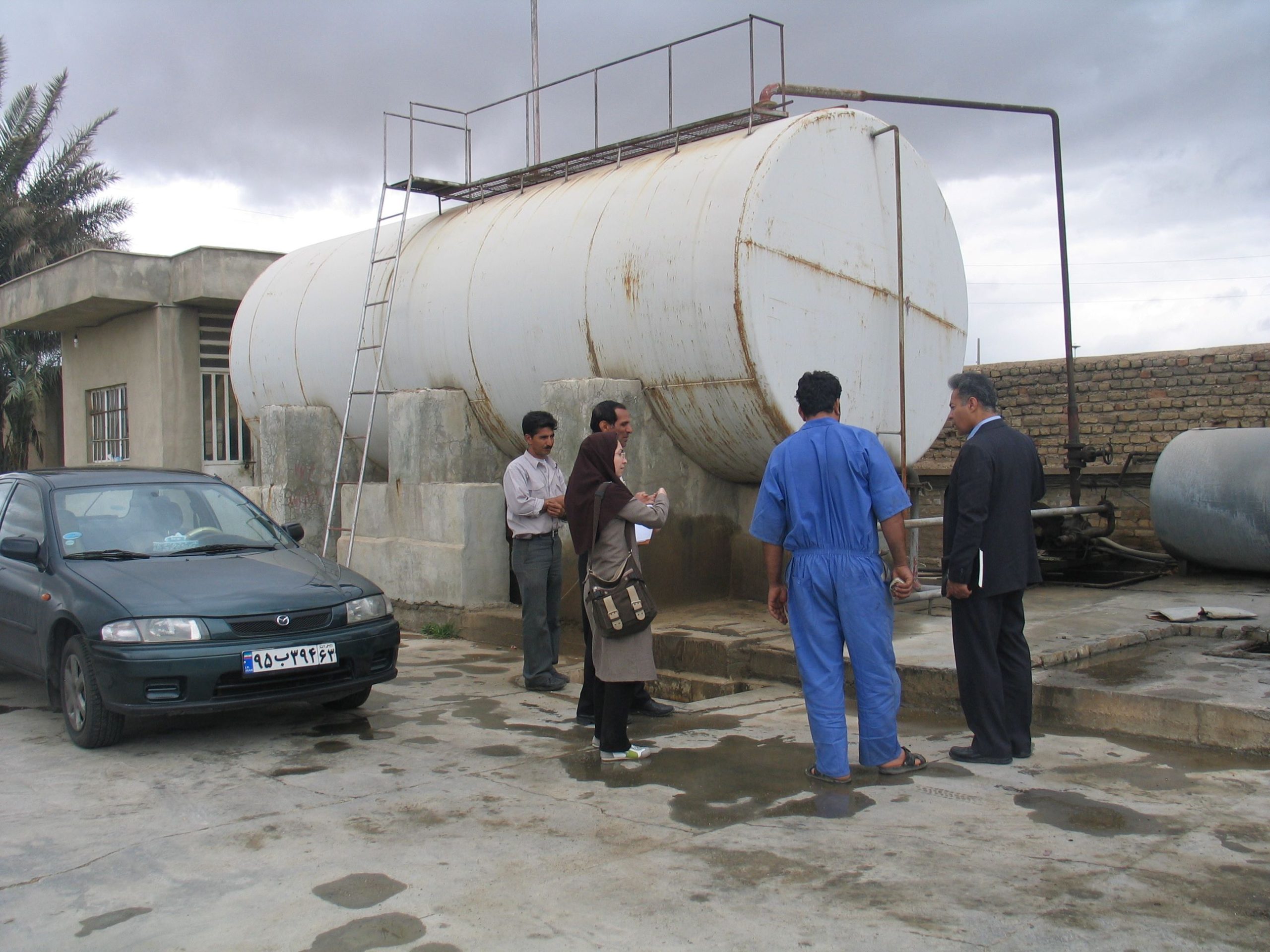
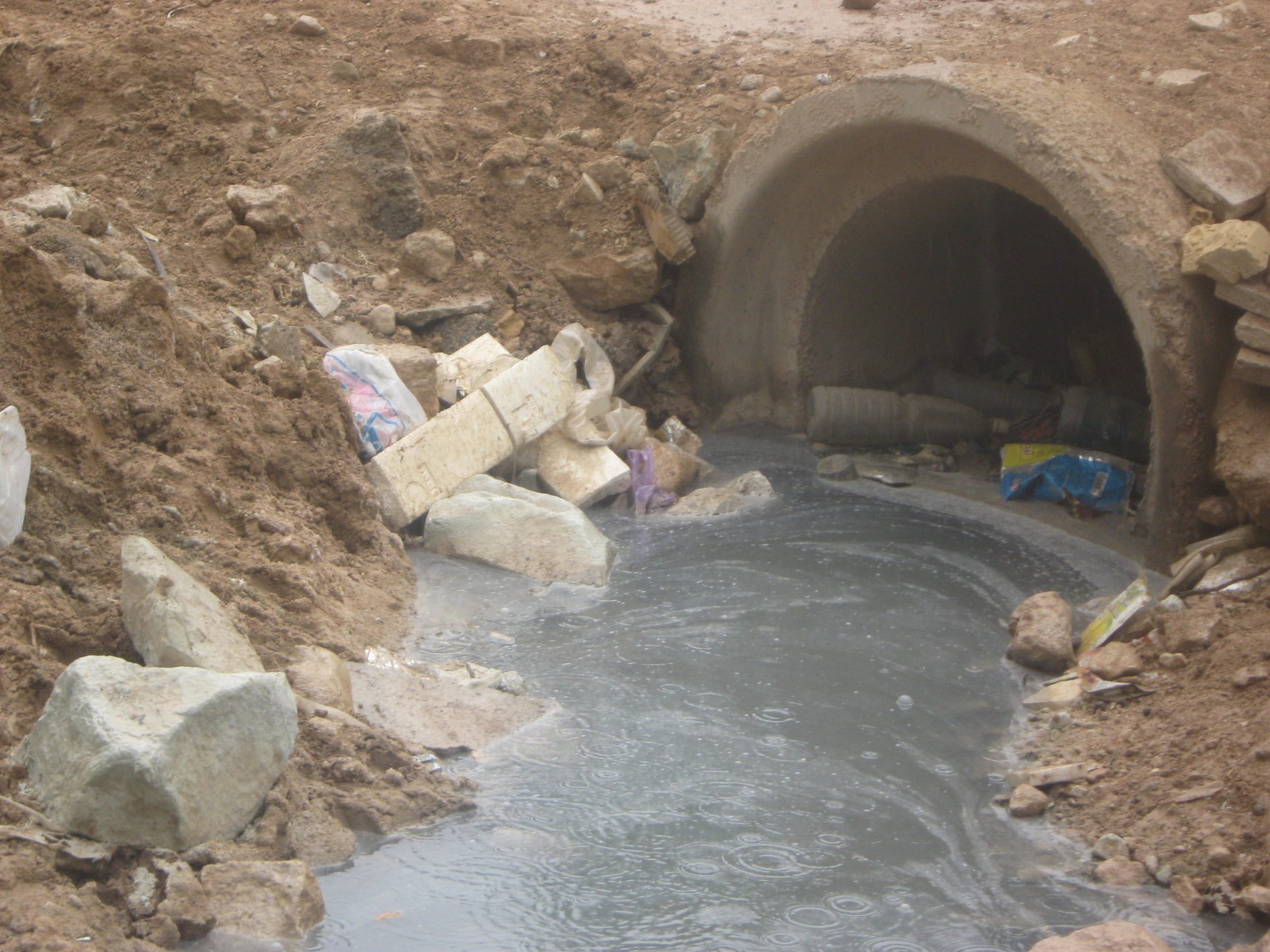
Projects for “Technical, Economic, Social, and Environmental Feasibility Studies” are considered the backbone and scientific basis for decision-making in any civil project or major investment. Their ultimate goal is the comprehensive and multi-dimensional assessment of the feasibility of implementing and sustaining the success of a proposed project. In these studies, Technical Feasibility first examines the possibility of project implementation from the perspectives of technology, required technical expertise, and site selection. Next, Economic Feasibility assesses the profitability and economic viability of the project using tools such as Cost-Benefit Analysis (CBA) and Return on Investment (ROI). Subsequently, Social Feasibility analyzes the project’s effects on the local community, job creation, public acceptance, and alignment with societal needs. Finally, Environmental Feasibility identifies and predicts the project’s impacts on the environment and provides risk mitigation solutions. The output of these studies provides a final summary on the feasibility or infeasibility of project execution to decision-makers, investors, and regulatory bodies, enabling optimal and sustainable investment by considering all dimensions.