فارسی
فارسی
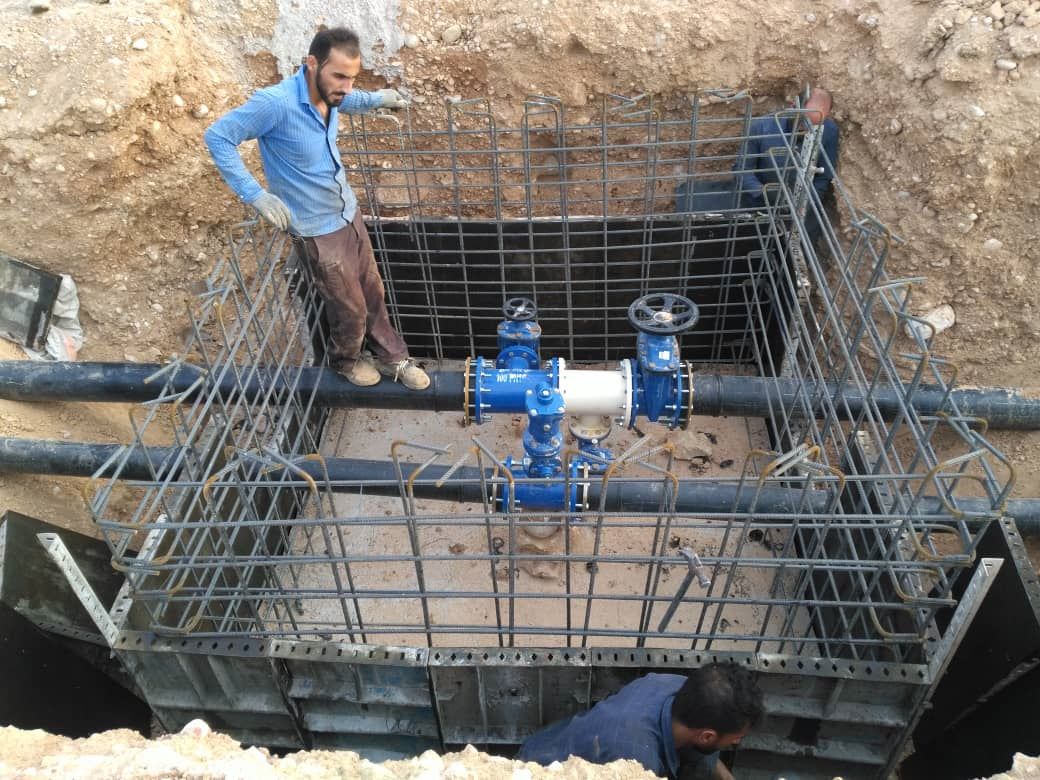
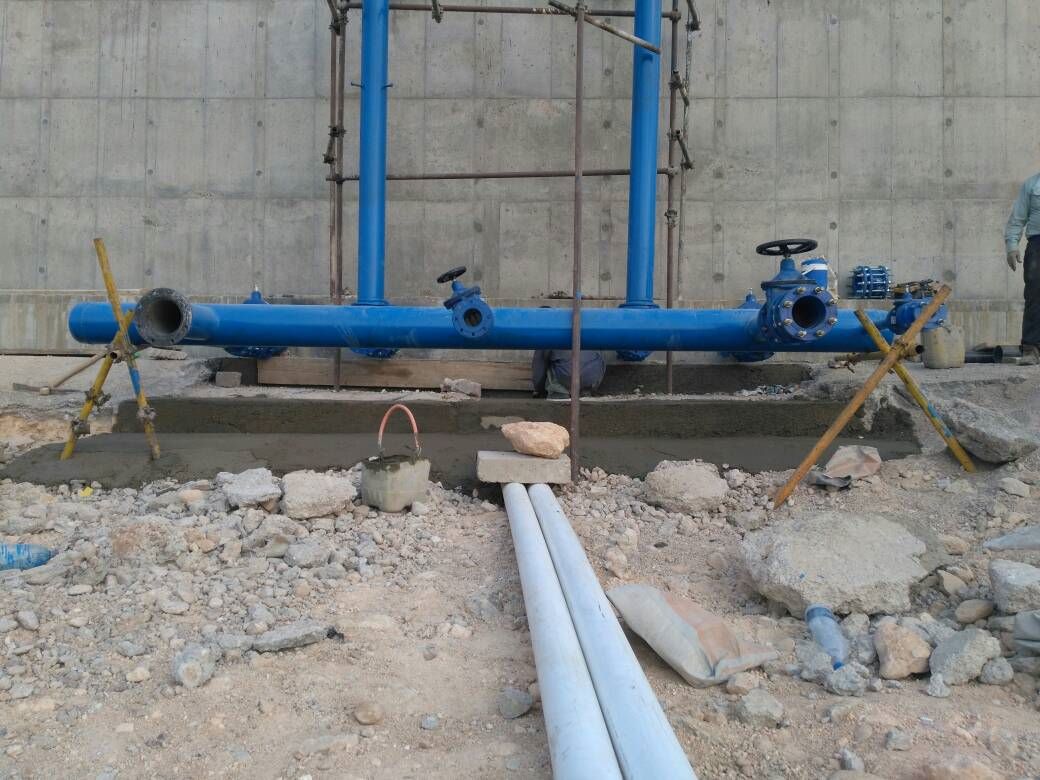
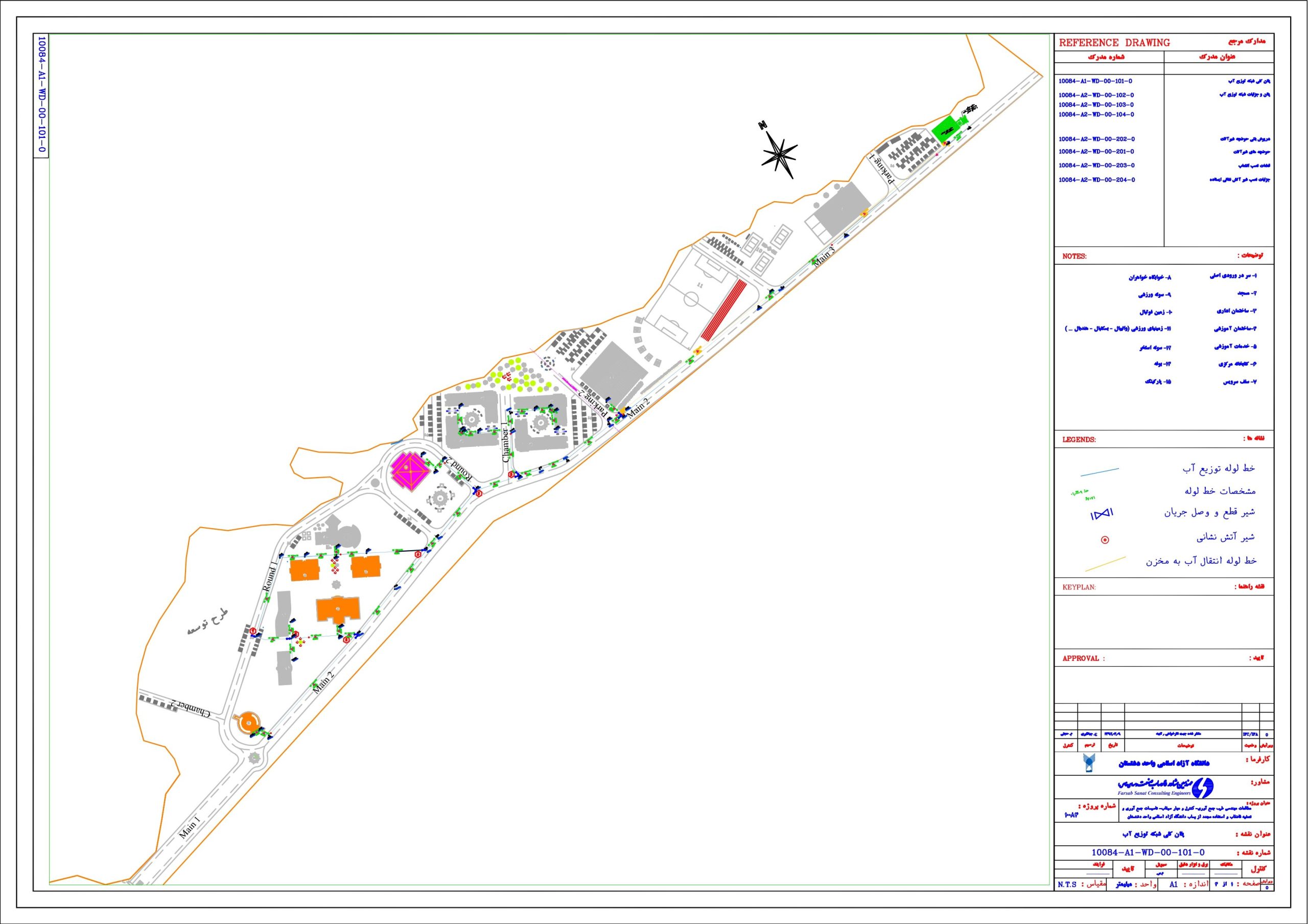
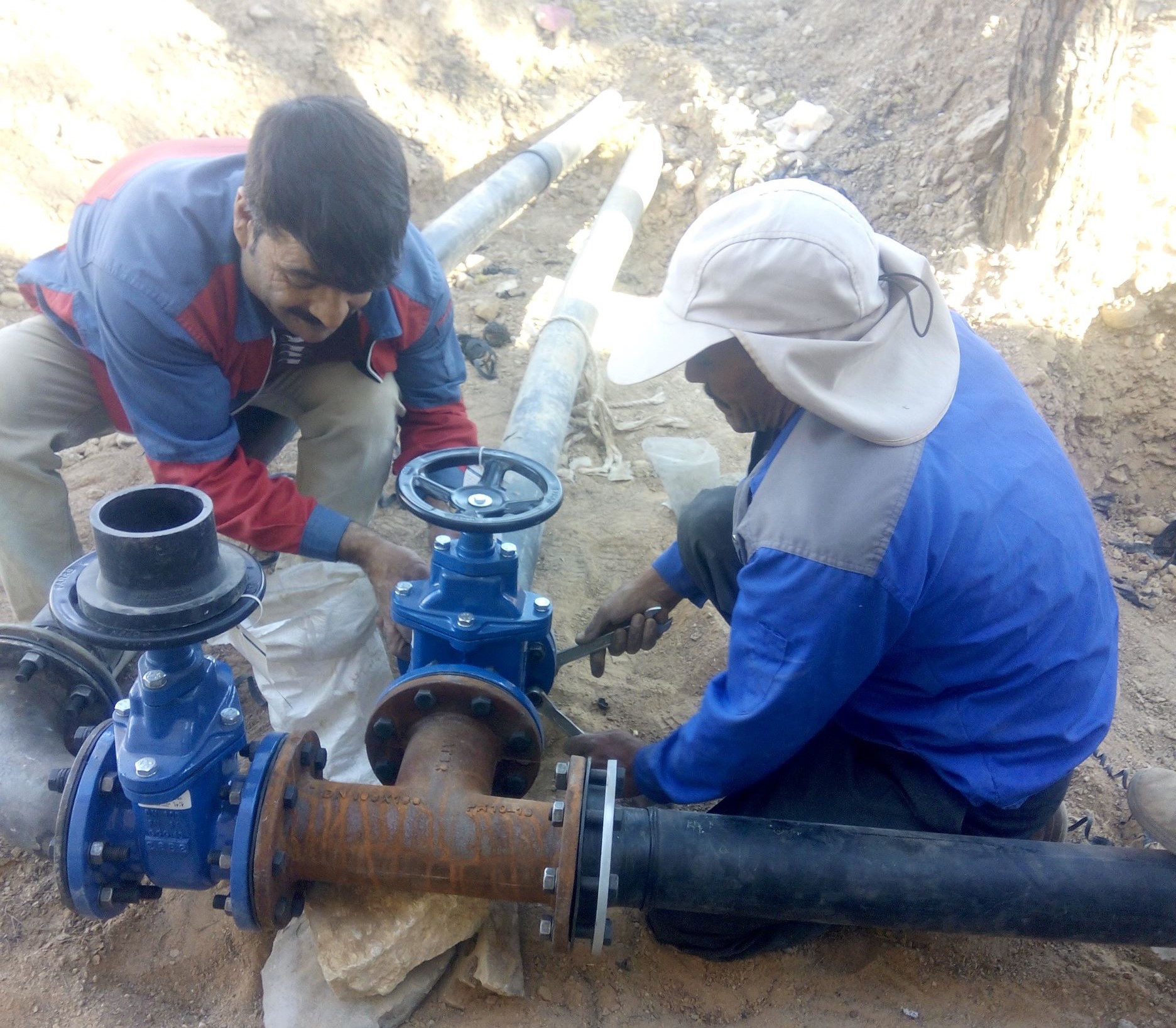
In projects for designing water transmission and distribution lines, the primary focus is on the planning, modeling, and implementation of engineered systems for the safe transmission and efficient distribution of water from sources (such as dams, wells, or treatment plants) to end consumers (municipal, industrial, and agricultural). These projects involve the hydraulic design of transmission lines (large-diameter, high-pressure pipes for moving large volumes of water over long distances) and local distribution networks (smaller-diameter piping that delivers water directly to households, industries, and points of consumption). The design stages include a detailed assessment of water demands, hydraulic simulation (using specialized software like EPANET or WaterGEMS), optimal selection of pipe materials (ductile iron, steel, PVC, HDPE), calculation of diameters and wall thicknesses, design of pumping stations, storage and pressure regulation tanks, placement of valves and fittings, and adherence to water quality standards throughout the system. The ultimate goal is to create a sustainable, low-loss system resistant to failures, with adequate pressure at all points in the network, ensuring reliable supply of this vital resource for the community. These projects play a crucial role in urban infrastructure development, public health, and water resource sustainability.