فارسی
فارسی
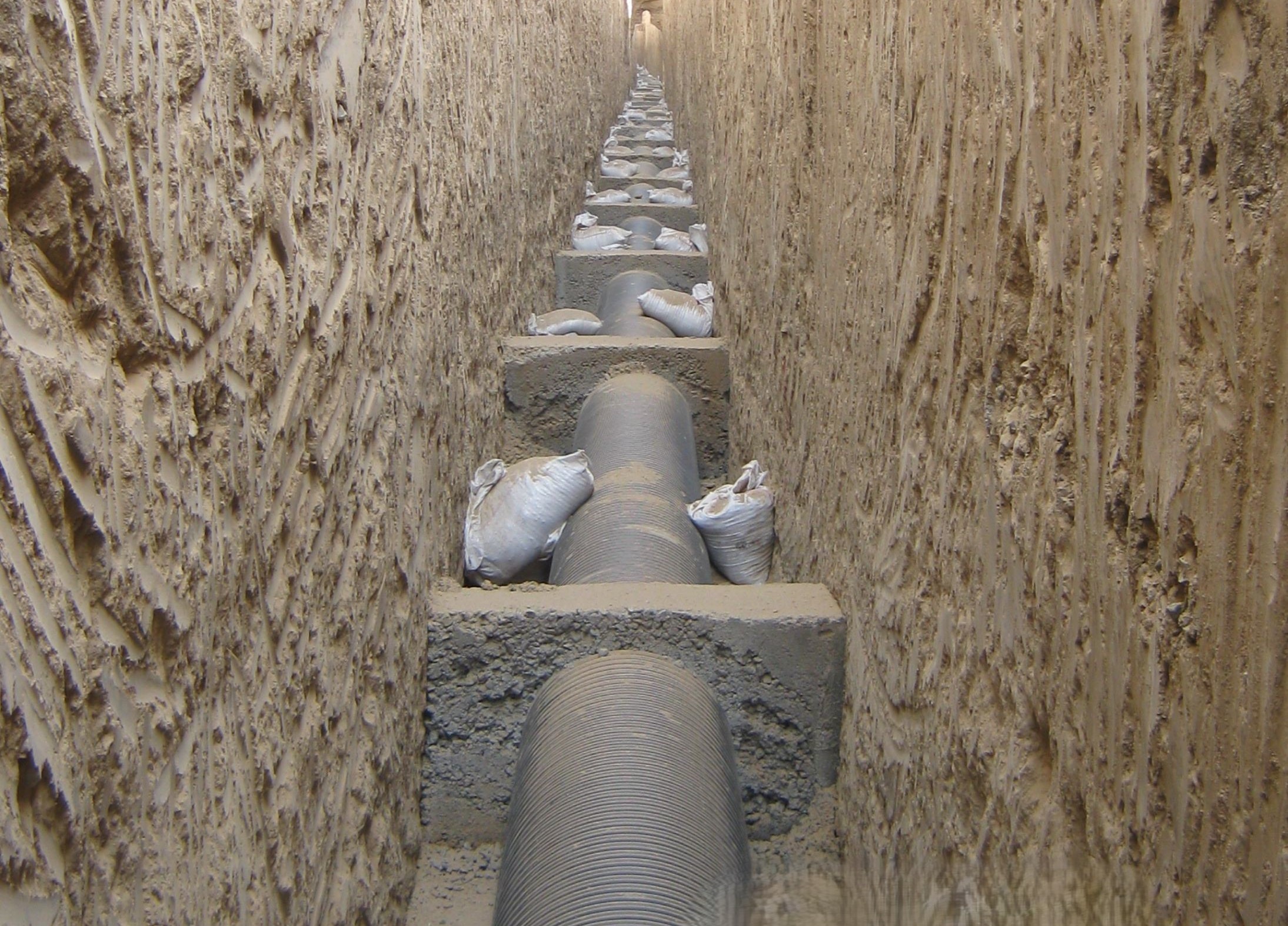
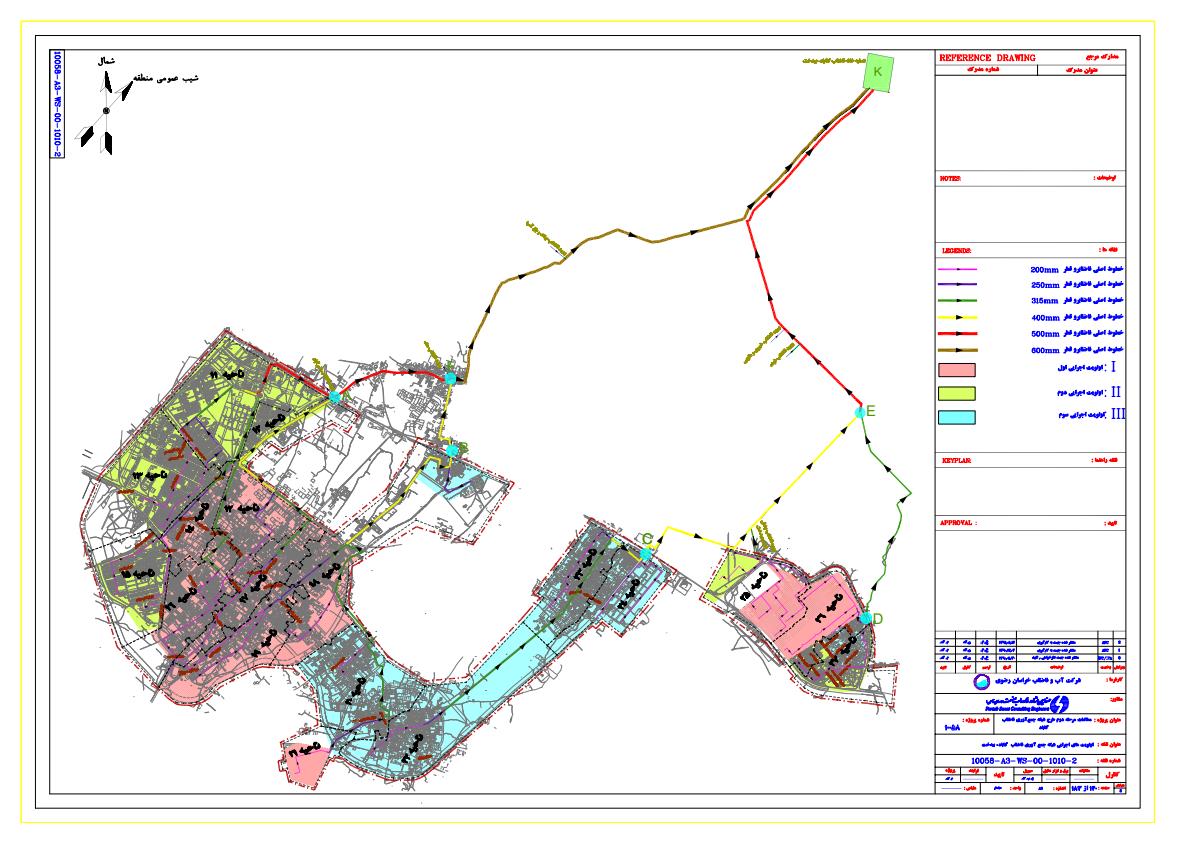
In projects for designing sewer collection networks and transmission lines, the primary objective is to create a safe, sanitary, and efficient system for conveying domestic, industrial, and stormwater wastewater from points of origin (homes, factories, streets) to treatment plants or final discharge points. This process consists of two fundamental parts:
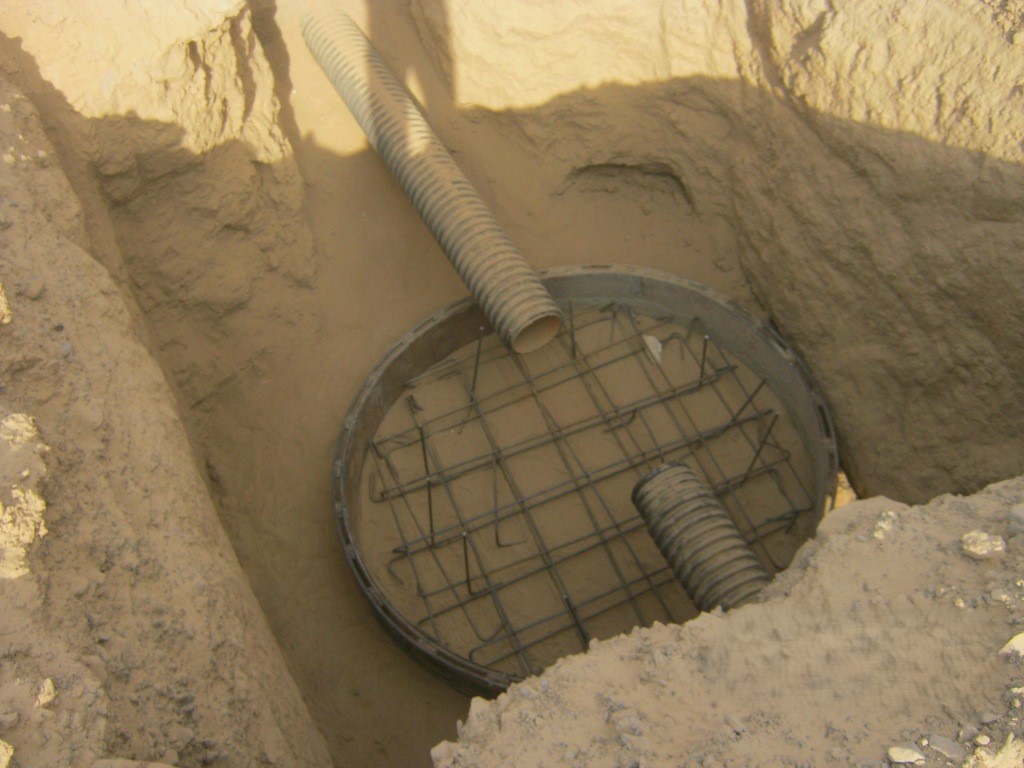
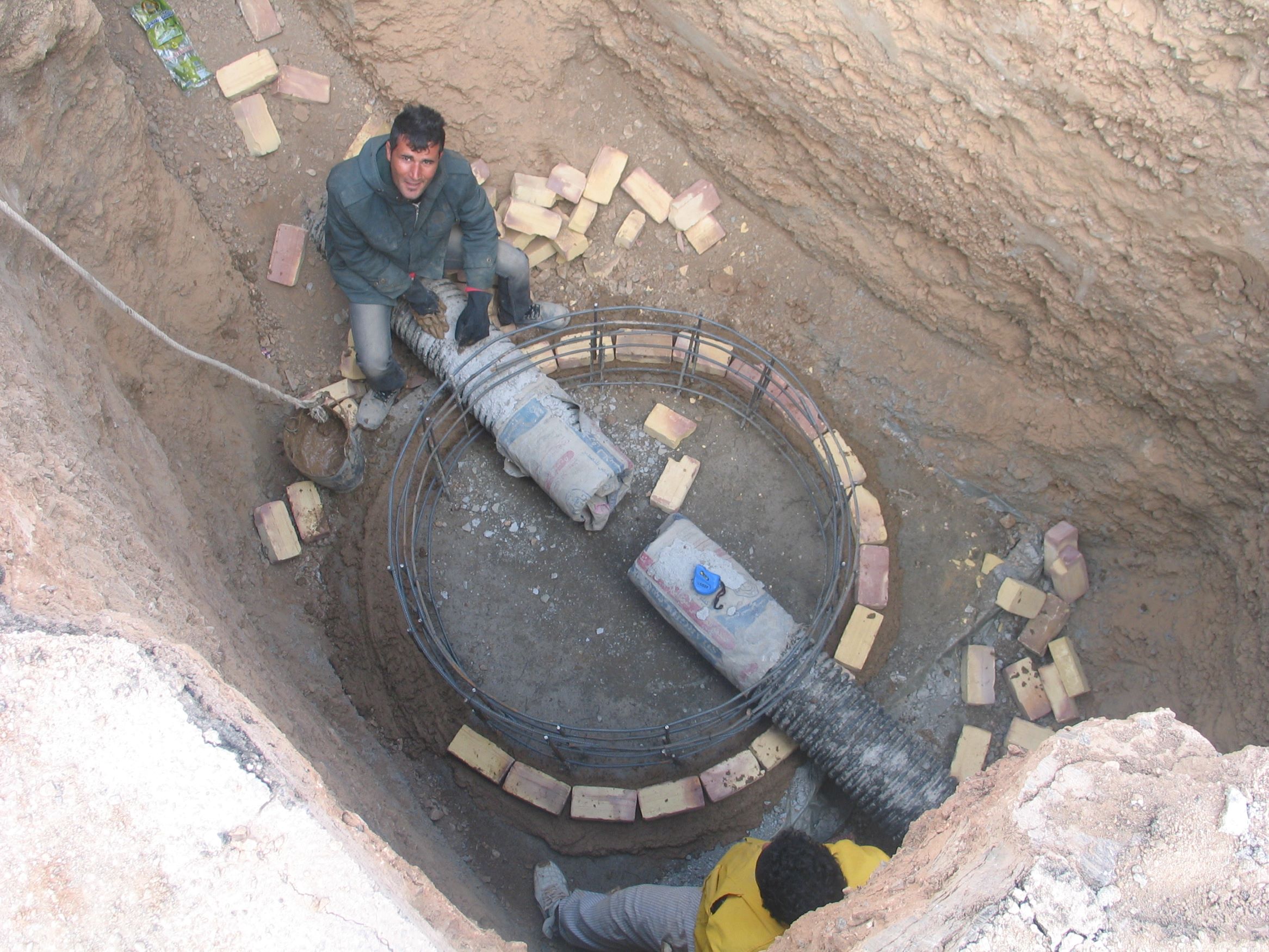
1. Local Collection Network: This comprises smaller-diameter pipes that transport wastewater from building connections to the main lines. The design of this network is based on principles such as:
– Accurate calculation of flow rates (based on population density and consumption patterns). –Determining the optimal pipe slope (to prevent sedimentation and ensure self-cleansing velocity). –Selecting corrosion-resistant materials (concrete, cast iron, PVC, or HDPE). –Preventing infiltration of groundwater or intrusion of plant roots.
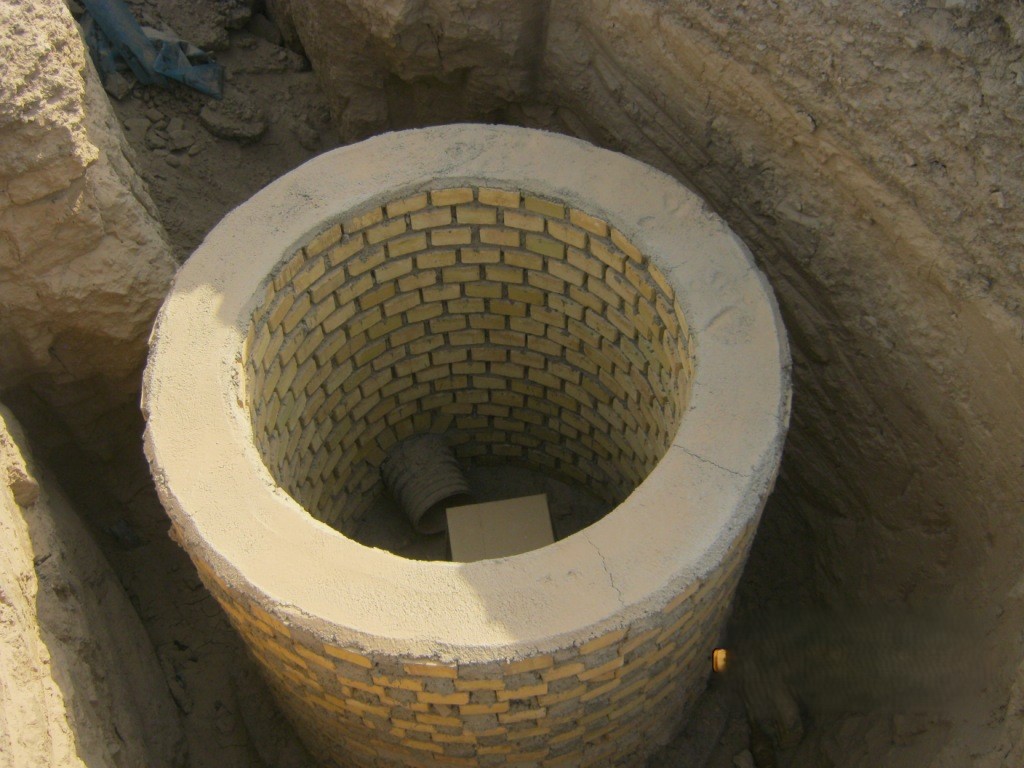
2. Main Transmission Lines: These include large-diameter pipes, designed for high operational pressure (if pumping is required), which direct wastewater toward the treatment plant. In this section, the following are critical:
–Precise hydraulic design (flow simulation using software such as SewerGEMS or InfoWorks ICM). -Calculation of pipe burial depth. –Design of pumping stations (where necessary) and sand traps. –Management of toxic gases (e.g., H₂S). -Incorporation of flood control structures (in combined sewer systems).
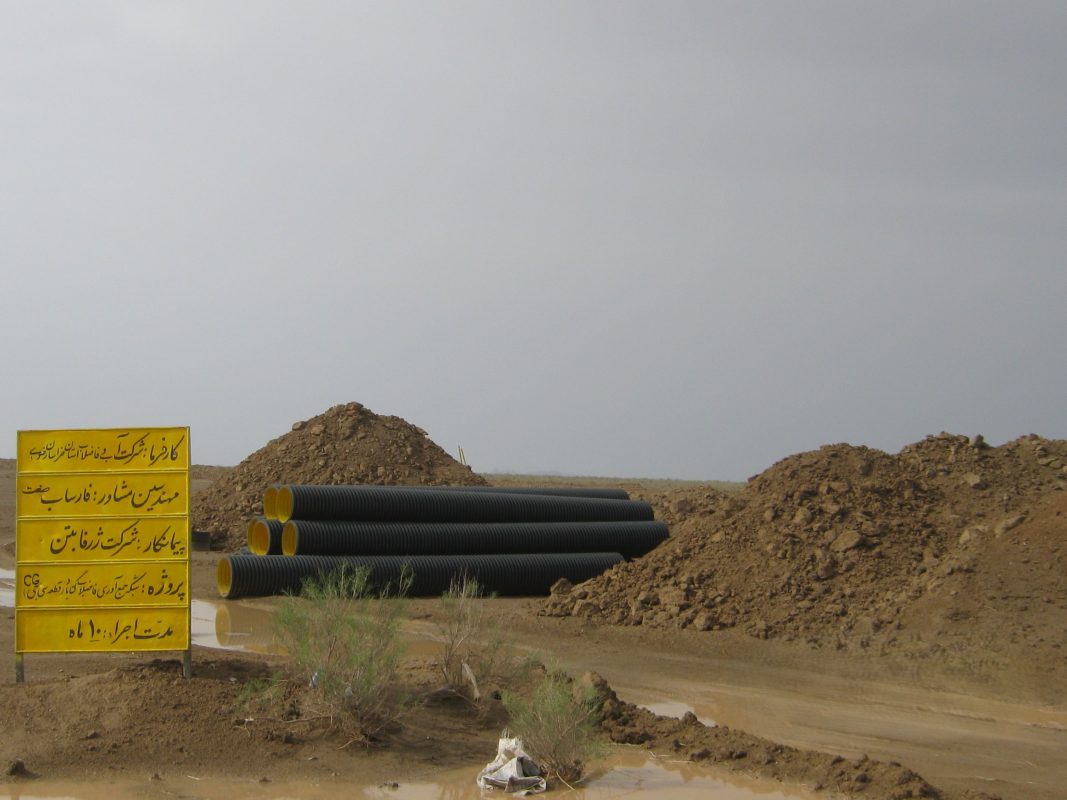
The most significant challenges include coordination with urban utilities (power, gas, water mains), reduction of implementation costs (using methods such as pipe jacking in densely populated areas), prevention of groundwater contamination, and adherence to environmental standards (such as those set by the EPA or ISO 24521).
The final output is a system that is leak-free, resistant to ground loads, and capable of sustainable operation, ultimately serving to protect public health and ecosystems.