فارسی
فارسی
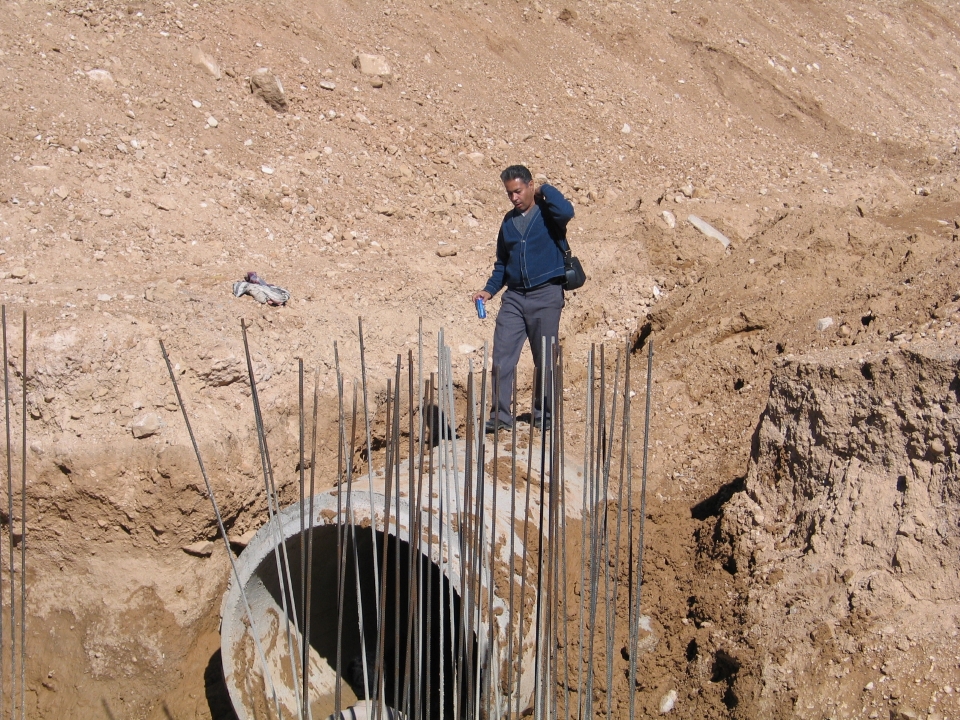
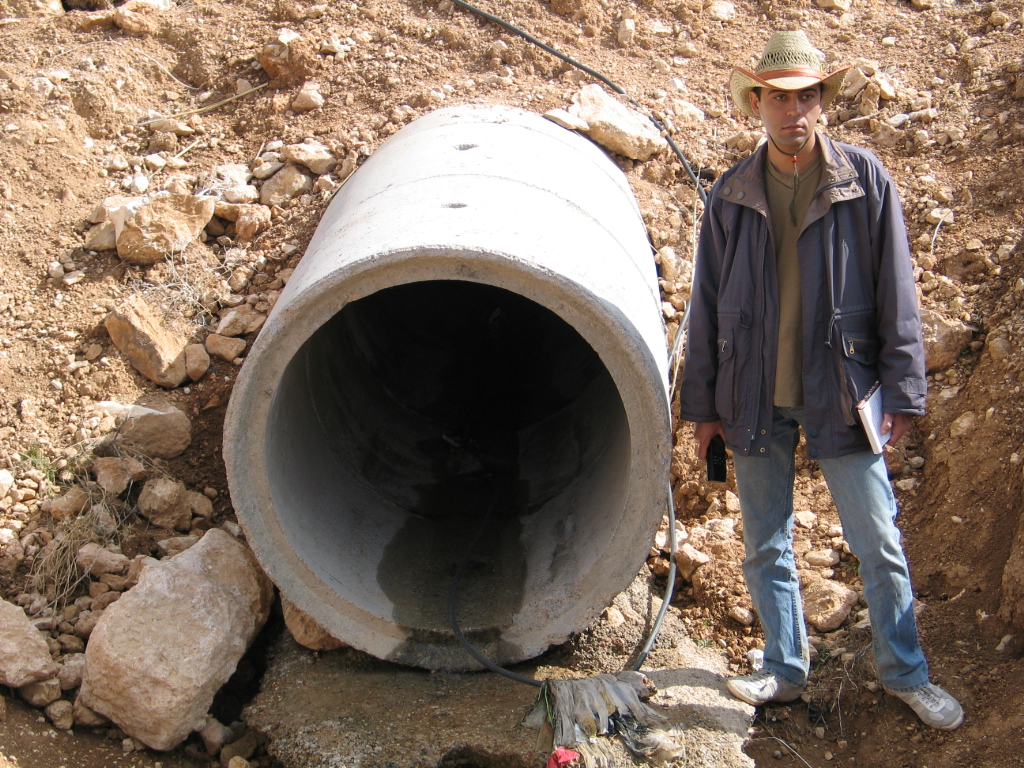
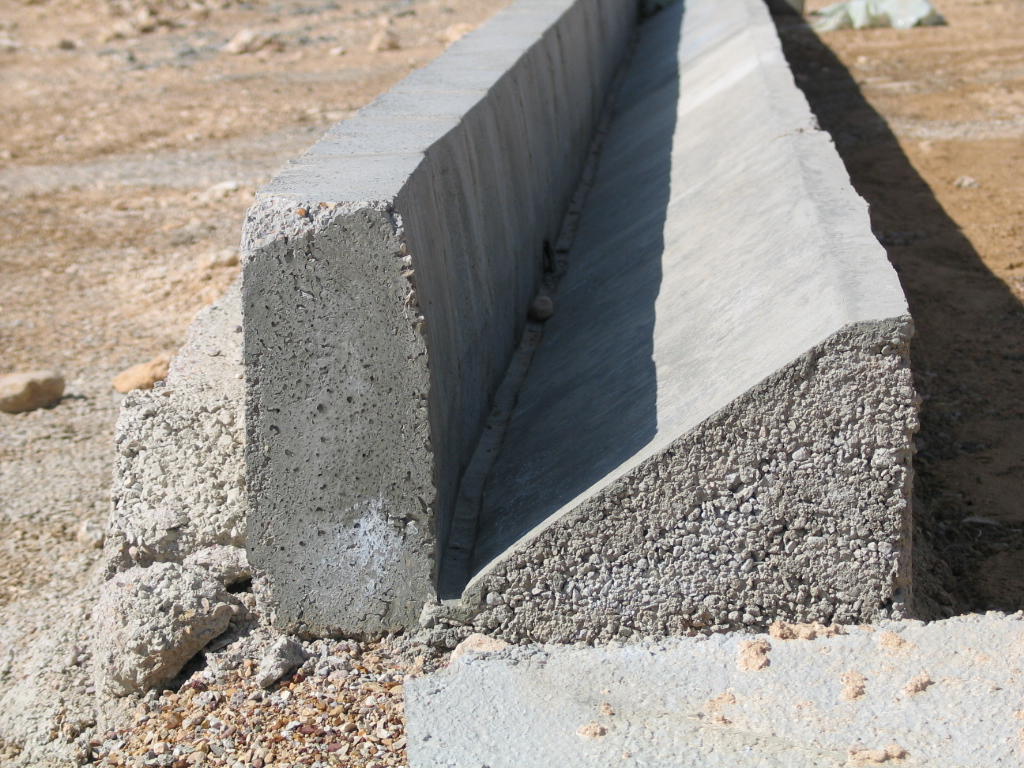
Surface Water Collection and Drainage projects refer to a set of engineering and managerial measures designed and implemented to control runoff from rainfall and snowmelt in urban and non-urban areas. The core of these projects involves the design and construction of an integrated network consisting of channels, culverts, drainage pipes, retention basins, and related facilities to safely and efficiently collect, convey, and ultimately direct surface waters to designated discharge points (such as rivers, artificial lakes, or infiltration structures). Key objectives of these studies include preventing waterlogging of roads and streets, reducing the risk of flooding, protecting structures and urban infrastructure from damage caused by moisture and water flow, as well as contributing to groundwater recharge through sustainable drainage methods. By considering influential factors such as rainfall intensity, regional topography, land use type, and soil infiltration capacity, these projects serve as a critical component of urban infrastructure and play a decisive role in ensuring safety, public health, and sustainable development.