فارسی
فارسی
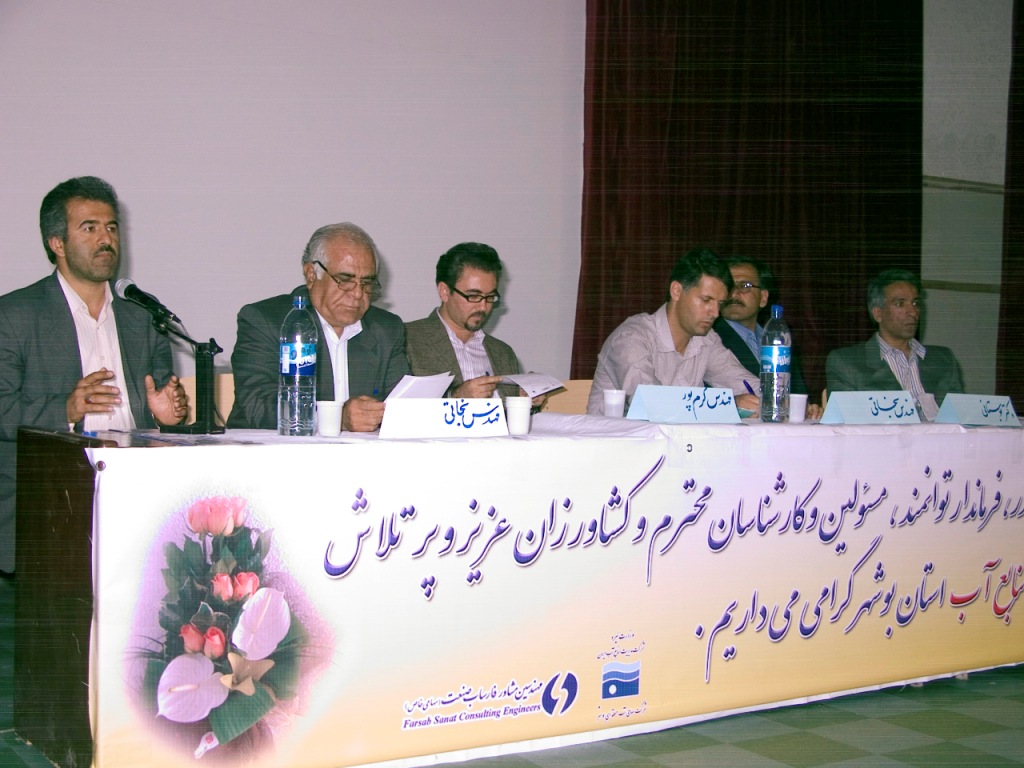
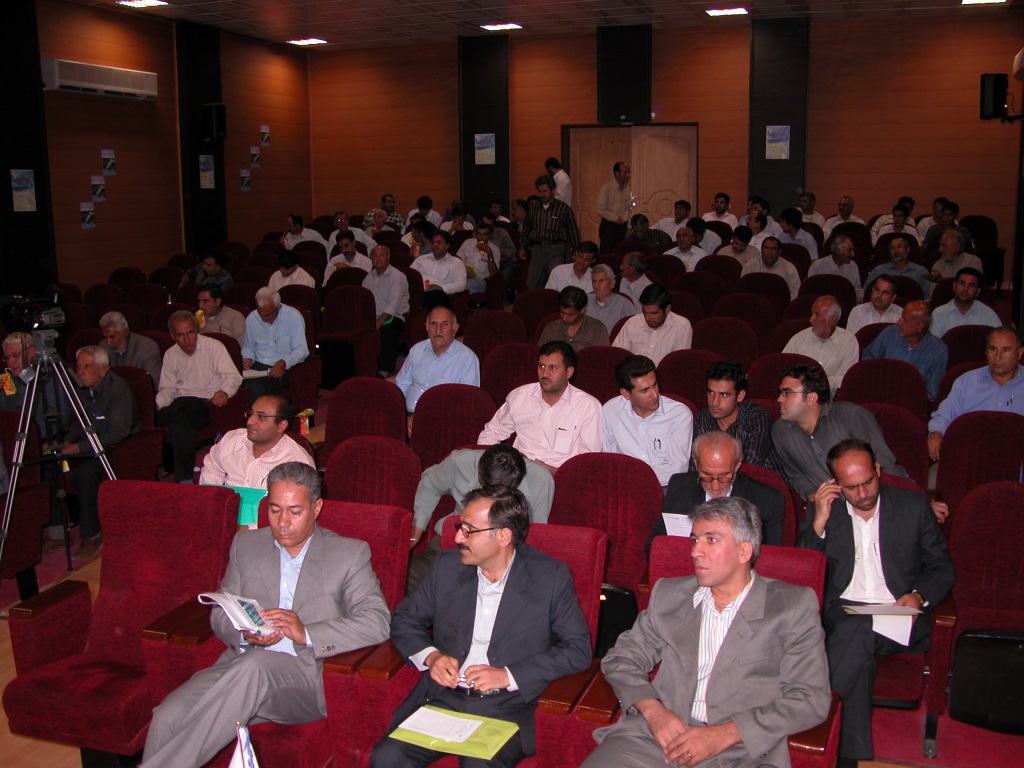
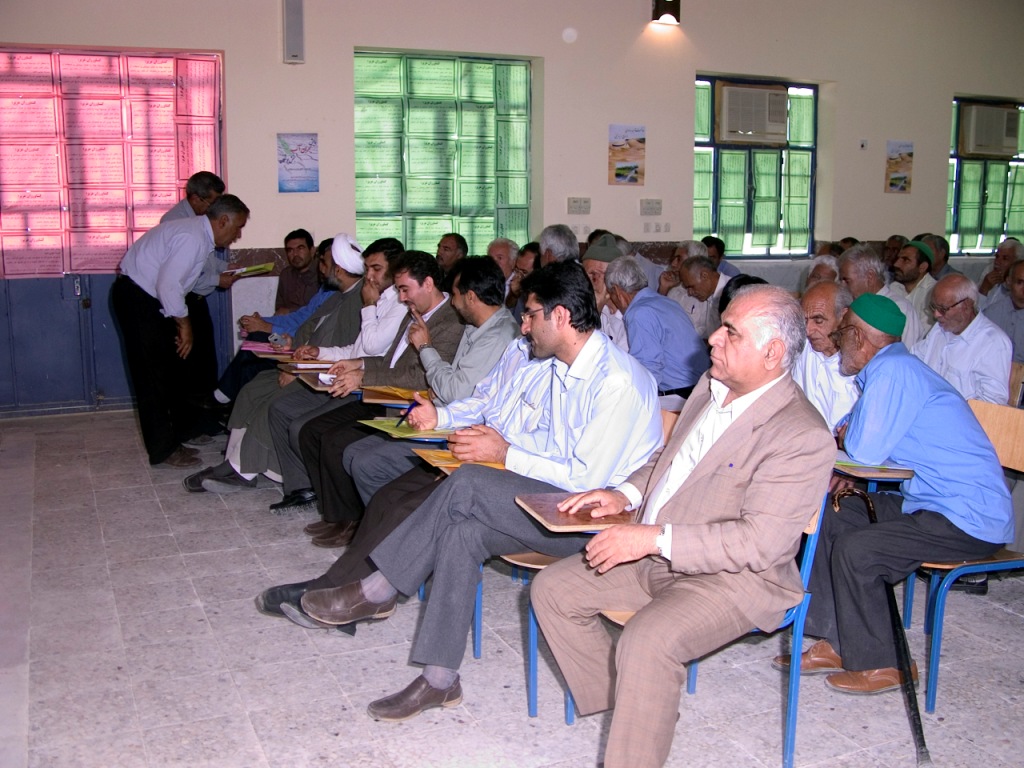
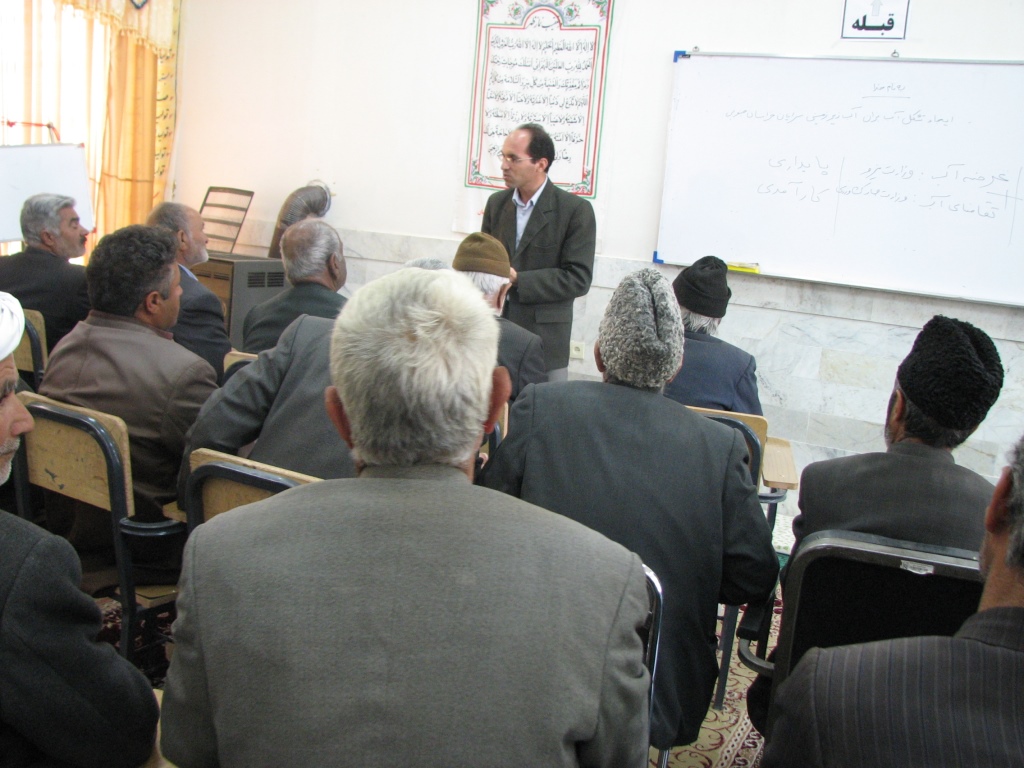
Participatory Management and Establishment of Water User Associations projects refer to a set of initiatives and programs designed and implemented to organize and engage local stakeholders in the sustainable management of water resources, particularly in the agricultural sector. The core of these projects involves the formation of self-governing, community-based institutions consisting of farmers and local beneficiaries. By delegating authority and transferring the management of irrigation network operation and maintenance to farmers themselves, these projects aim to enhance irrigation efficiency, reduce water consumption, mitigate local conflicts over water distribution, and ultimately ensure the sustainability of irrigation systems. These studies typically include stages such as social capacity assessment, training and empowerment of users, development of appropriate bylaws and legal frameworks, and defining the scope and responsibilities of the association. The success of these projects fosters a sense of ownership and responsibility among farmers, reduces government costs for maintaining subsidiary networks, and achieves participatory and wise management of water resources—representing a fundamental step toward ensuring regional water and food security.