فارسی
فارسی
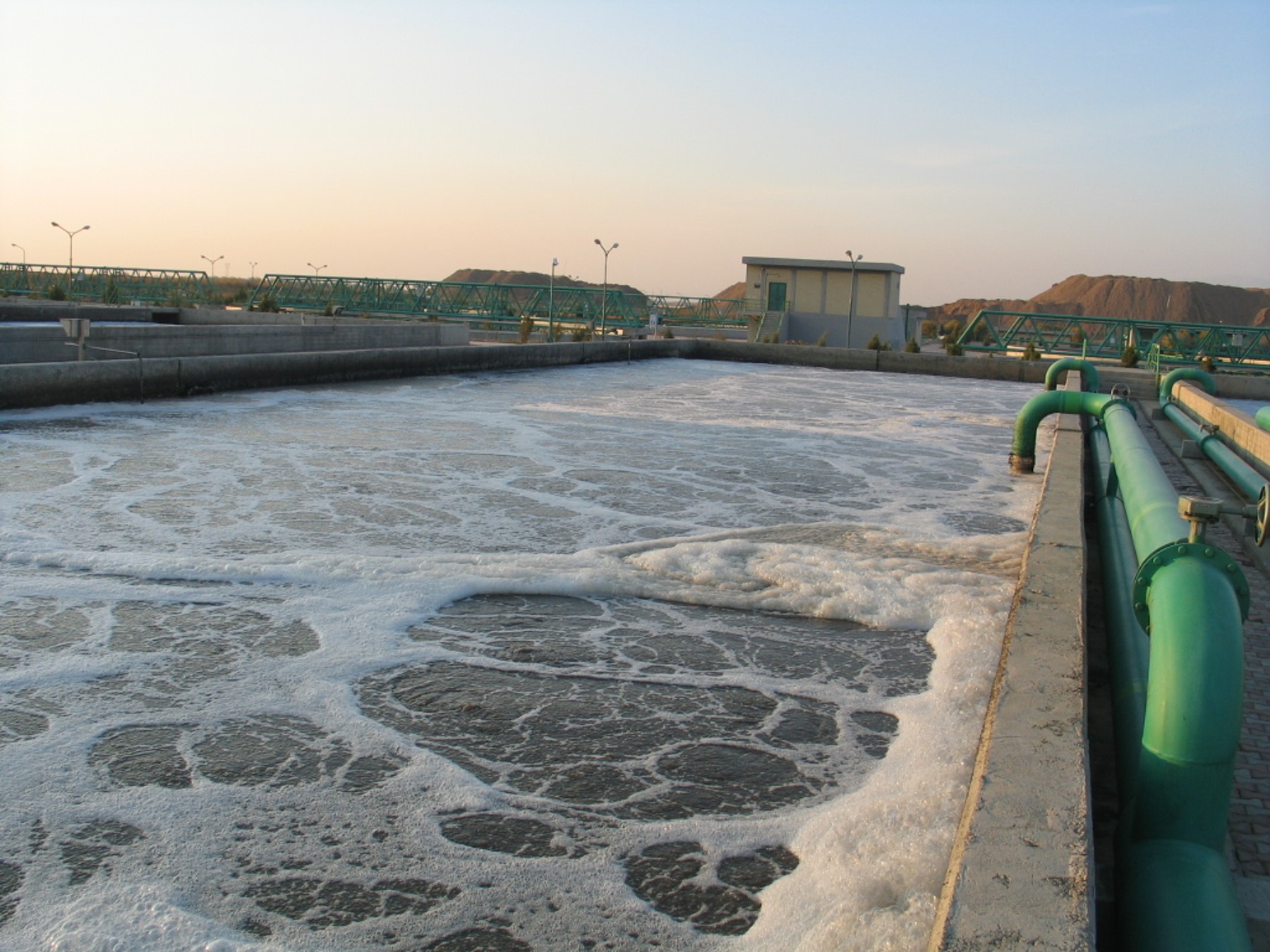
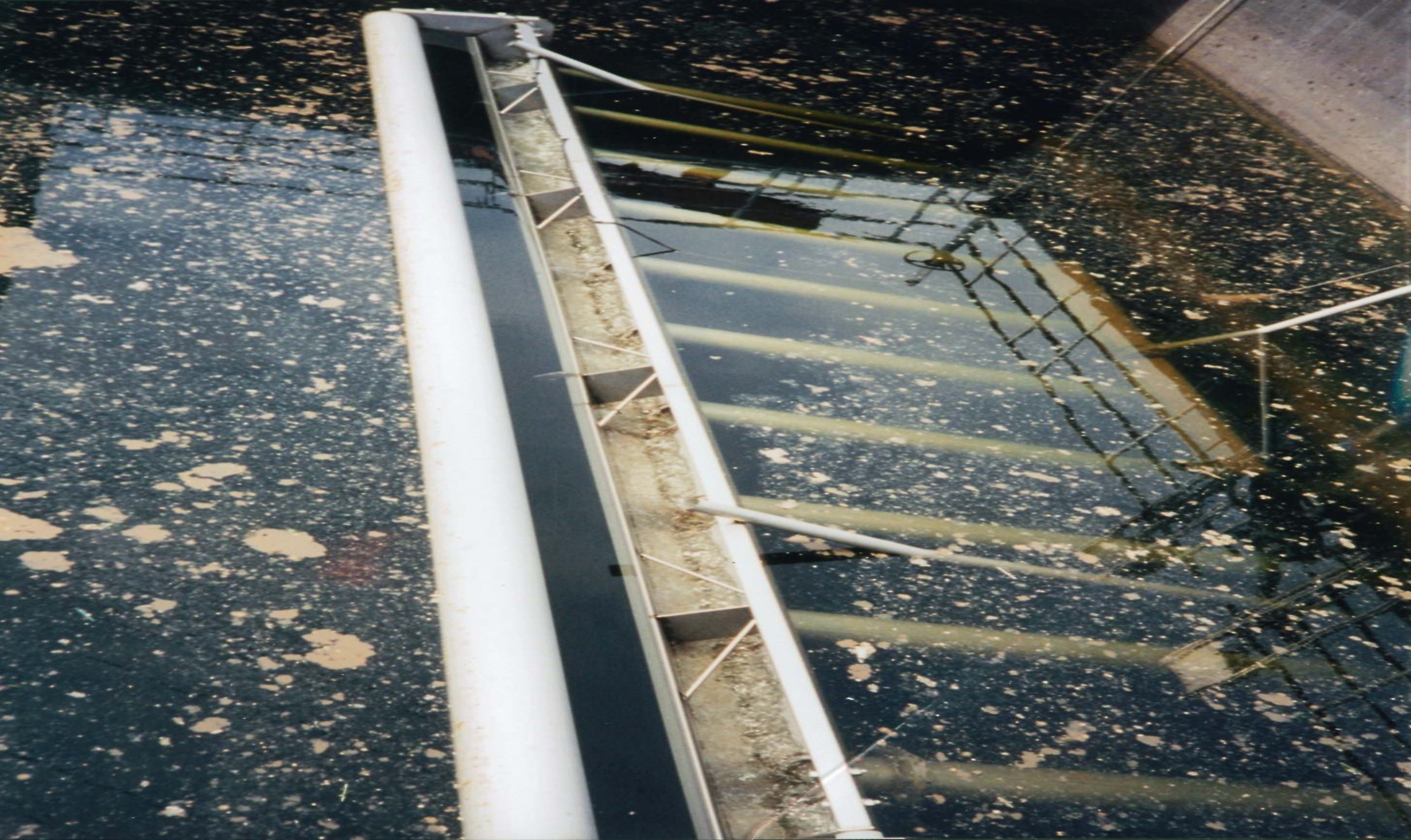
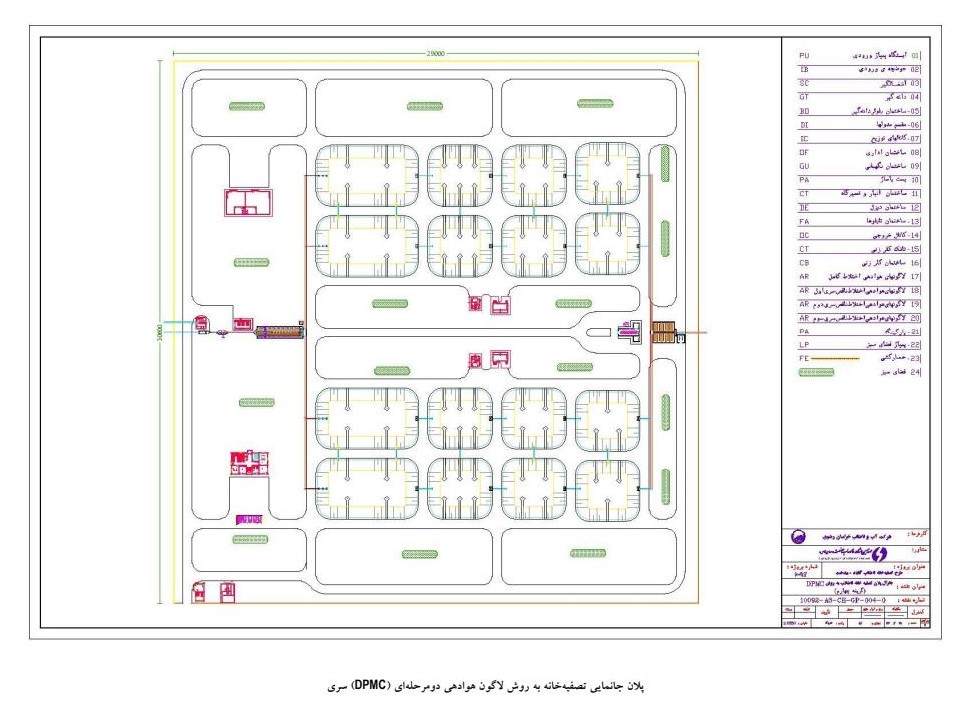
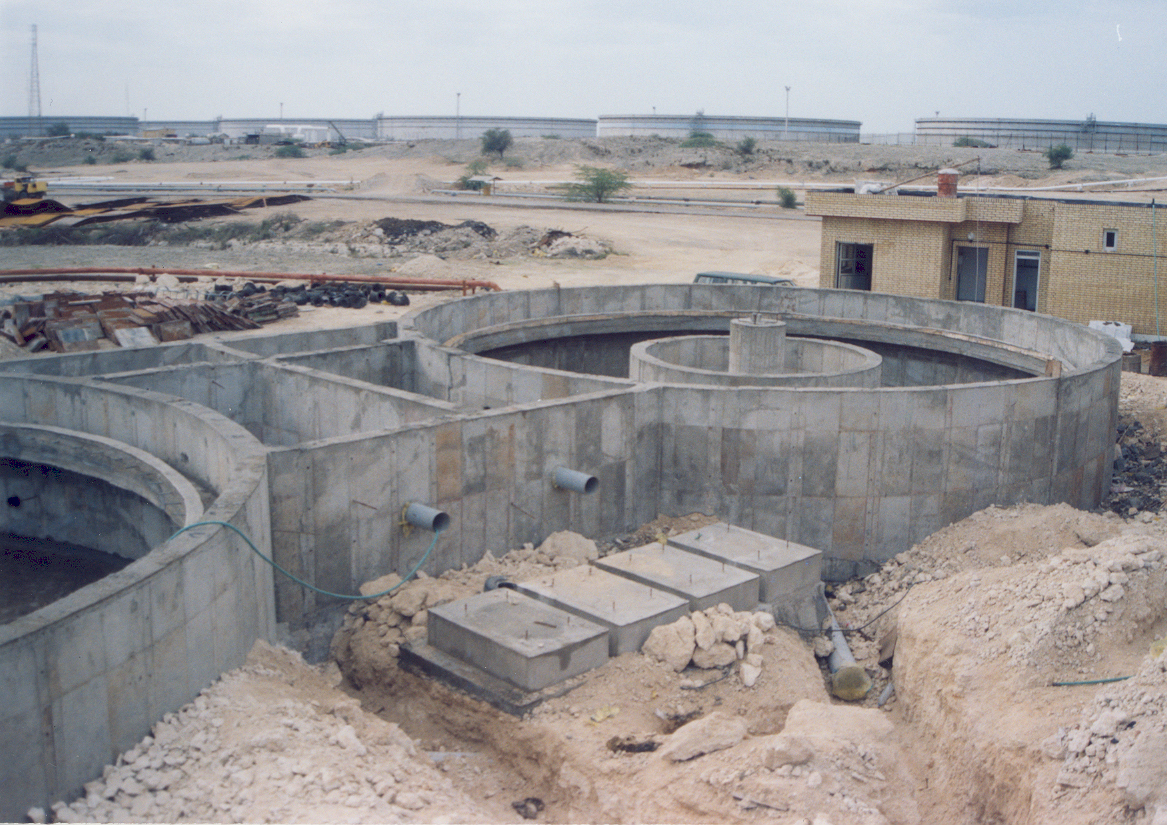
The design of water and wastewater treatment plants is among the fundamental, critical, and complex infrastructure projects in the field of environmental and water engineering. Their ultimate goal is twofold: to provide safe and potable water for drinking, industrial, and agricultural uses on one hand, and to treat and reclaim generated wastewater to protect public health and the environment on the other. These projects involve the design and selection of optimal physical, chemical, and biological processes—such as screening, sedimentation, aeration, disinfection, and advanced processes like reverse osmosis—taking into account numerous factors including the quality of the source water or incoming wastewater, required output quality standards, local climatic and geographical conditions, and cost-effectiveness. The success of these projects depends on the integration of specialized knowledge from various disciplines and the use of modern technologies, ultimately leading to the creation of sustainable infrastructure for urban development, water resource conservation, and natural systems.