فارسی
فارسی
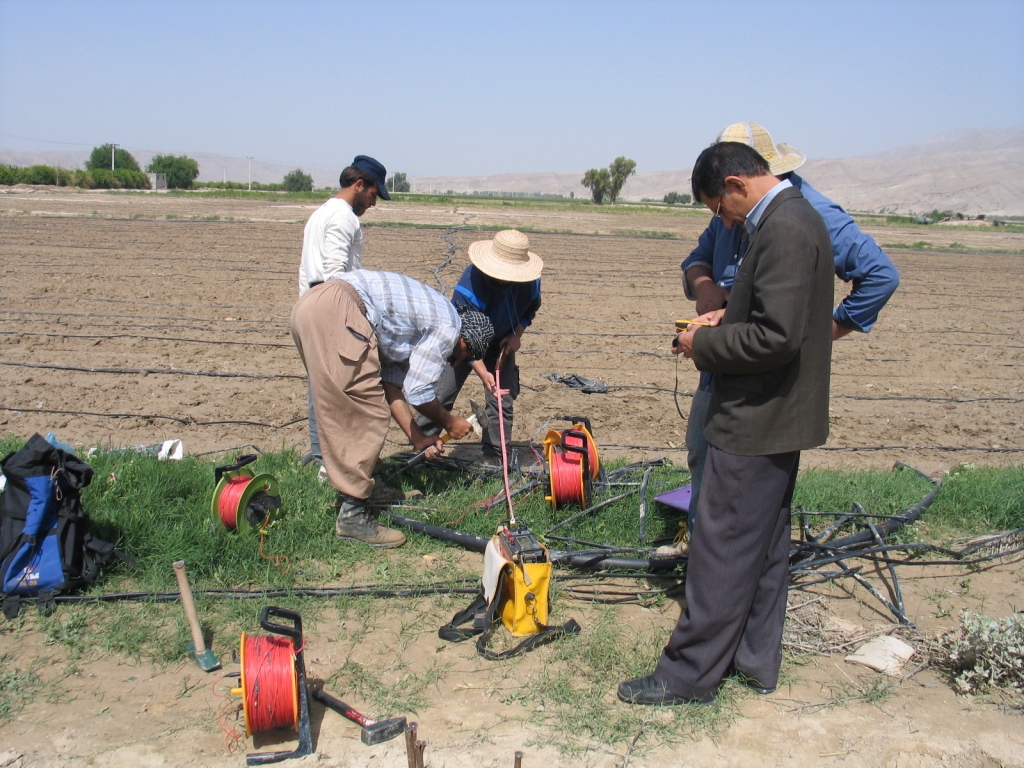
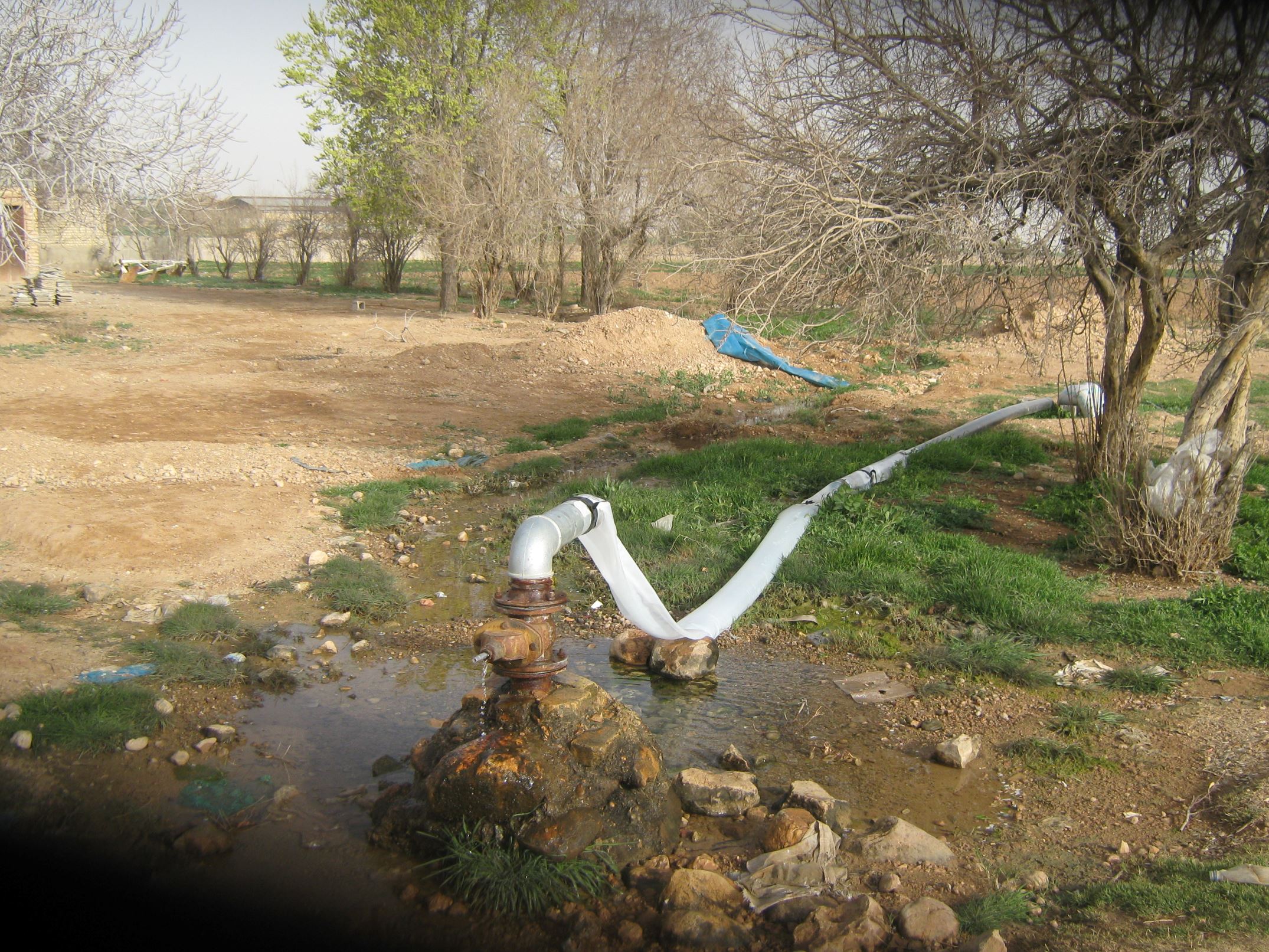
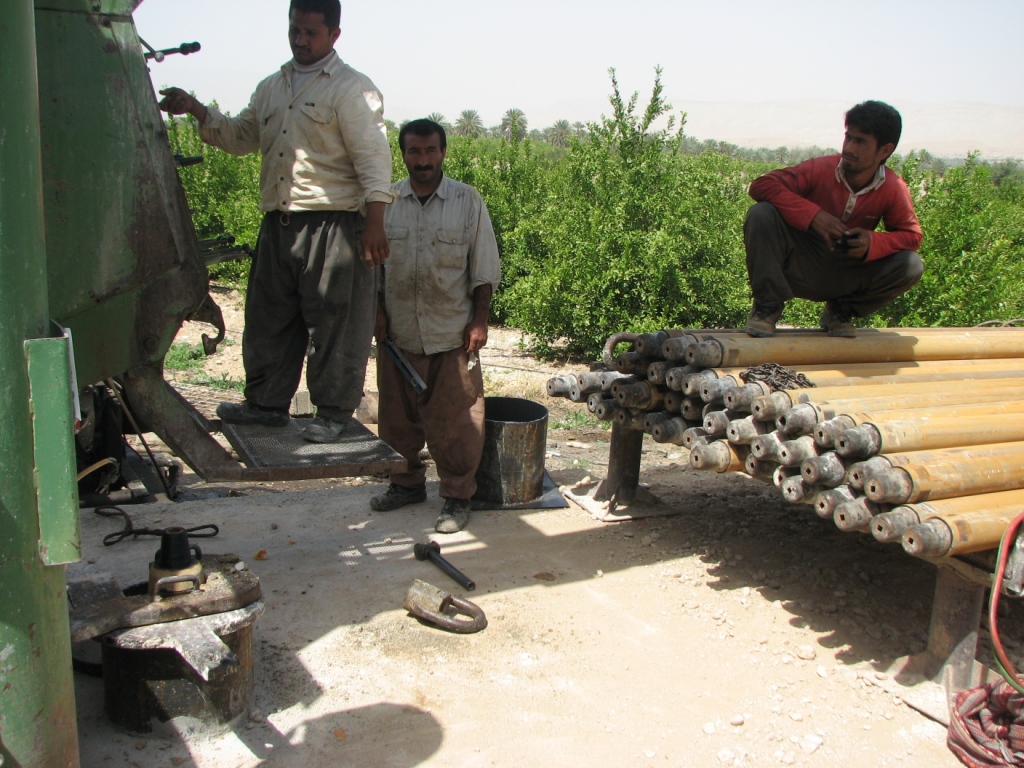
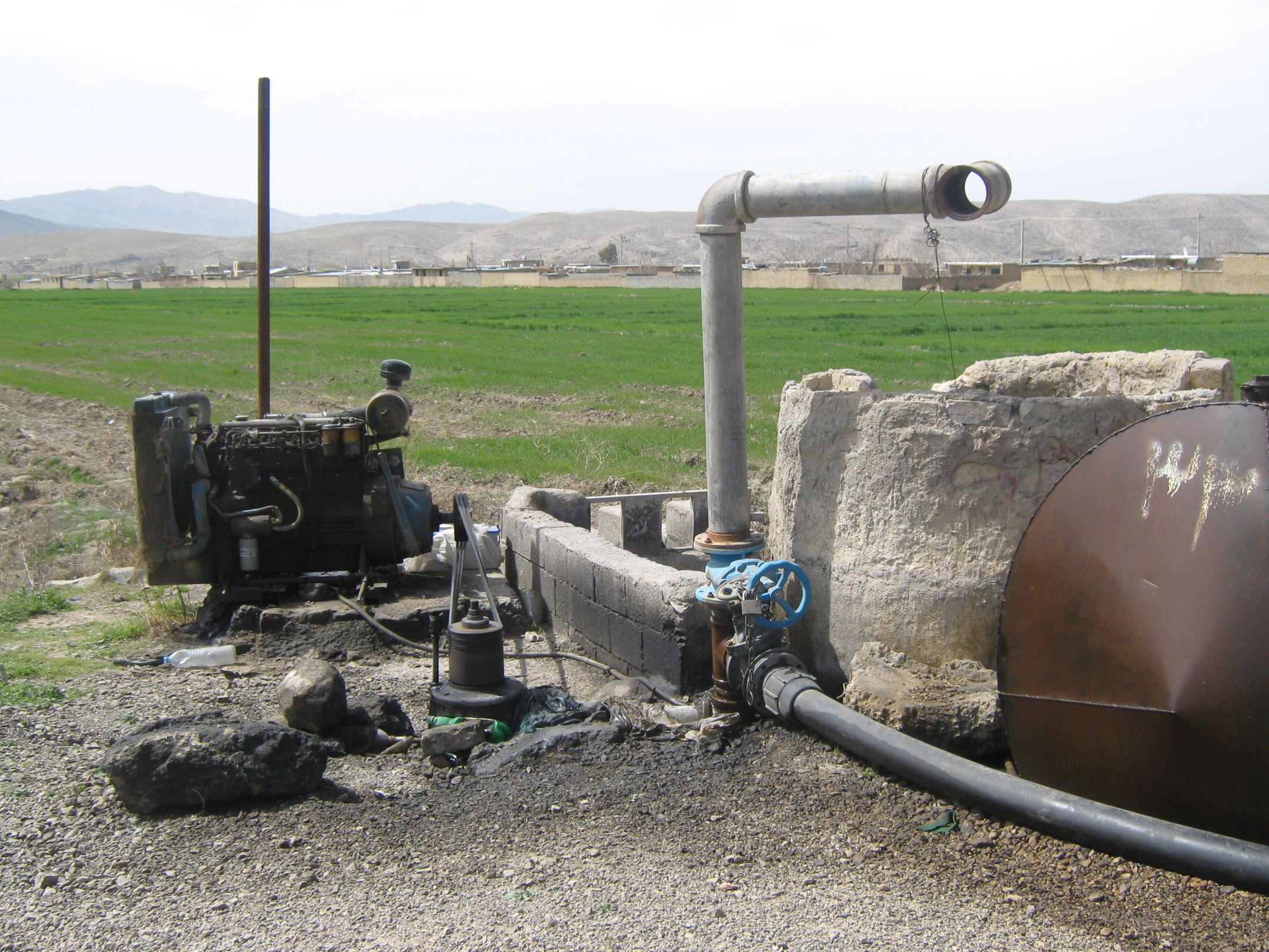
Semi-detailed groundwater study projects serve as a fundamental and intermediate step in the process of understanding and managing these strategic resources sustainably. They aim to collect, analyze, and interpret more comprehensive data than the initial reconnaissance phase. In these studies, by employing more advanced field methods such as drilling exploratory boreholes, conducting pump tests to determine the hydrodynamic characteristics of the aquifer (such as storage coefficient and hydraulic conductivity), water quality sampling and analysis, and geophysical surveys, an attempt is made to develop a preliminary conceptual model of the target aquifer system. The output of these projects provides a realistic assessment of the aquifer’s potential, its boundaries and protection zones, recharge and discharge rates, as well as the identification of potential pollution sources. This output establishes the necessary scientific basis for planning optimal exploitation, determining permissible withdrawal rates, and designing subsequent detailed studies.